
insulated bullet resistant glass
Understanding the Importance of Standard Pin Gauge Sets In the world of precision engineering and manufacturing, accuracy is paramount. One of the essential tools that facilitate this accuracy is the standard pin gauge set. These instruments are vital for checking hole sizes, ensuring proper tolerances, and guaranteeing the quality of machined parts. In this article, we will explore the significance, applications, and features of standard pin gauge sets. What is a Standard Pin Gauge Set? A standard pin gauge set consists of a collection of finely machined pins of specific diameters, manufactured to a high degree of precision. Each pin in the set corresponds to a specific nominal size, allowing engineers and machinists to determine whether a hole size is within acceptable limits by inserting the appropriate pin gauge. These sets often come in various ranges—metric or imperial—catering to different industries and applications. Importance of Standard Pin Gauges The primary role of standard pin gauges is to verify the dimensions of holes and shafts. Tolerance is a critical aspect of manufacturing, and any deviation can lead to improper fit, increased wear, or failure of components. By using a pin gauge, a technician can quickly ascertain whether a given hole meets the required specifications. If a pin fits snugly, it indicates the hole is within tolerance; if it doesn't, further inspection or rework may be necessary. Moreover, standard pin gauges are instrumental in quality control processes. They serve as a reliable reference standard for measuring and calibrating other tools and equipment. This helps maintain consistency and accuracy throughout the manufacturing process, ensuring that every part produced meets the required quality standards. Applications of Pin Gauge Sets Pin gauge sets are widely used across various industries. In aerospace, automotive, and medical device manufacturing, precision is critical. Here, pin gauges help verify hole sizes for components that must fit together perfectly to ensure safety and functionality. standard pin gauge set In addition to manufacturing, pin gauge sets are also valuable in research and development labs. They assist engineers in designing new products by providing precise measurements that are crucial for prototype testing. In educational settings, students learning about engineering principles rely on pin gauges to understand the importance of tolerance and measurement accuracy. Features to Consider When Choosing a Pin Gauge Set When selecting a standard pin gauge set, there are several features to consider 1. Material Pin gauges are typically made from high-carbon steel or stainless steel, ensuring durability and resistance to wear over time. 2. Size Range The set should include a comprehensive range of sizes to cover all applications for your specific needs, whether they be metric or imperial. 3. Calibration Look for sets that are calibrated and certified to national or international standards. This ensures the measurements you take are reliable and accurate. 4. Storage Options A good pin gauge set often comes with a suitable storage solution, such as a case, to protect the pins from damage and contamination. Conclusion In summary, standard pin gauge sets play a crucial role in ensuring precision and accuracy in manufacturing and engineering. Their ability to quickly verify hole sizes makes them indispensable tools for quality control and product development. By understanding their significance, applications, and key features, professionals across various industries can enhance their manufacturing processes and maintain high standards of quality.
about
insulated bullet resistant glass
Understanding Linear Guide Rail Bearings A Comprehensive Overview Linear guide rail bearings are essential components in the realm of precision machinery and other industrial applications. They provide a mechanism for linear motion, enabling smooth and accurate movement of platforms, carriages, or machinery along a fixed path. With the increasing demand for automation and robotics, understanding the functionality, types, and applications of linear guide rail bearings becomes imperative. What Are Linear Guide Rail Bearings? Linear guide rail bearings consist of a set of guide rails and bearing blocks that work in conjunction to facilitate linear motion. The guide rails are typically made from high-strength materials such as steel or aluminum, ensuring durability and resistance to wear. The bearing blocks, which travel along the rails, are designed to carry loads and maintain precise alignment, minimizing friction and allowing for smooth movement. The primary function of these bearings is to support moving parts in a straight line while minimizing play and maximizing accuracy. This precision is crucial in various applications, from CNC machines to robotic arms and assembly lines. Types of Linear Guide Rail Bearings There are several types of linear guide rail bearings, each designed for specific applications and requirements 1. Ball Linear Guides These bearings use steel balls to reduce friction between the guide rails and the bearing blocks. They are widely used for their ability to handle light to moderate loads while providing excellent accuracy and motion smoothness. 2. Roller Linear Guides Unlike ball guides, roller linear guides employ cylindrical rollers, which can carry heavier loads and provide greater rigidity. They are ideal for applications where higher load capacities and longer service life are required. 3. Magnetic Linear Guides These innovative guides utilize magnetic levitation to eliminate contact between moving parts, significantly reducing friction and wear. They offer an almost frictionless motion, making them suitable for high-speed applications and environments requiring minimal maintenance. 4. Profiled Rails These guides feature a unique shape that maximizes contact area with the bearing blocks, providing superior load distribution and stability. They are commonly used in demanding applications where high precision is necessary. Applications of Linear Guide Rail Bearings Linear guide rail bearings are versatile components used in various industries, including linear guide rail bearing - Manufacturing In CNC machines, linear guides ensure accurate movement of cutting tools and workpieces, leading to high-quality machining outcomes . - Robotics Linear motion systems in robotic arms depend on guide rails to achieve precise positioning, essential for tasks such as welding, painting, or assembly. - Medical Equipment In medical devices, precision and reliability are paramount. Linear guides are utilized in applications like surgical tables and imaging systems to ensure accurate and smooth movement. - Automation Conveyor systems, pick-and-place machines, and automated storage systems all rely on linear guide rail bearings for effective and reliable operation. Choosing the Right Linear Guide Rail Bearing Selecting the appropriate linear guide rail bearing involves considering several factors - Load Capacity Determine the maximum load the bearing must support, including any dynamic loads during operation. - Speed Requirements Assess the speed at which the application will operate, as this influences the type of bearing that may perform best. - Precision Needs Consider the tolerances required for the application. High-precision systems may need profiled rails or specialized bearings. - Environmental Considerations In environments with dust, moisture, or extreme temperatures, corrosion-resistant materials or sealed bearings may be necessary. Conclusion Linear guide rail bearings play a critical role in the efficient operation of numerous machines and systems across a wide range of industries. Their ability to provide precise, low-friction linear motion makes them indispensable in applications where accuracy and reliability are crucial. By understanding the various types of linear guides and their respective applications, engineers and designers can make informed decisions that enhance the performance and longevity of their machinery. As technology continues to evolve, linear guides will undoubtedly remain a fundamental component of automated systems and modern manufacturing processes.
-

High quality industrial productsagement

High quality industrial products
View Details -

Meet the diverse needs of customers

Meet the diverse needs of customers
View Details -

Strict quality control

Strict quality control
View Details -

Top raw materials

Top raw materials
View Details -

Trusted supplier

Trusted supplier
View Details
Our application
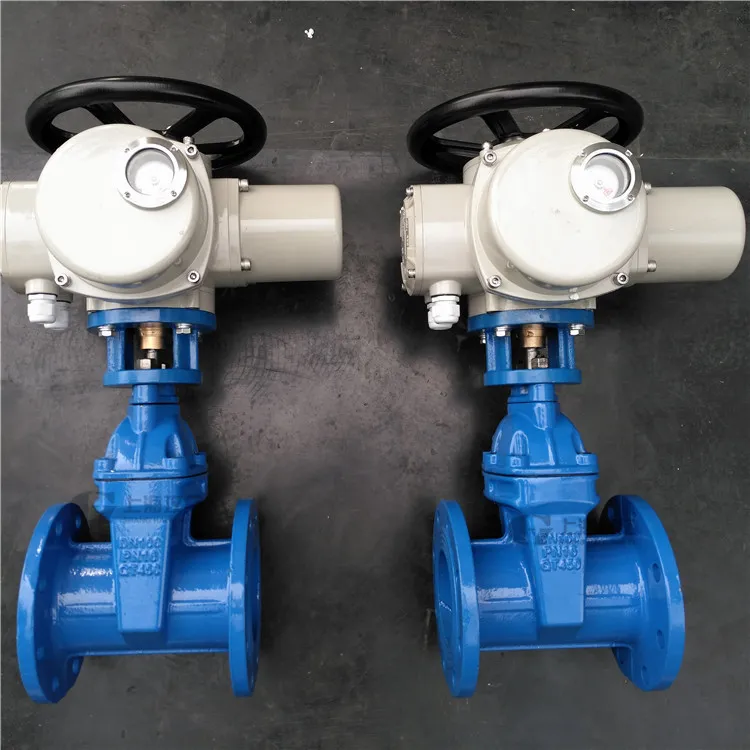
news and information

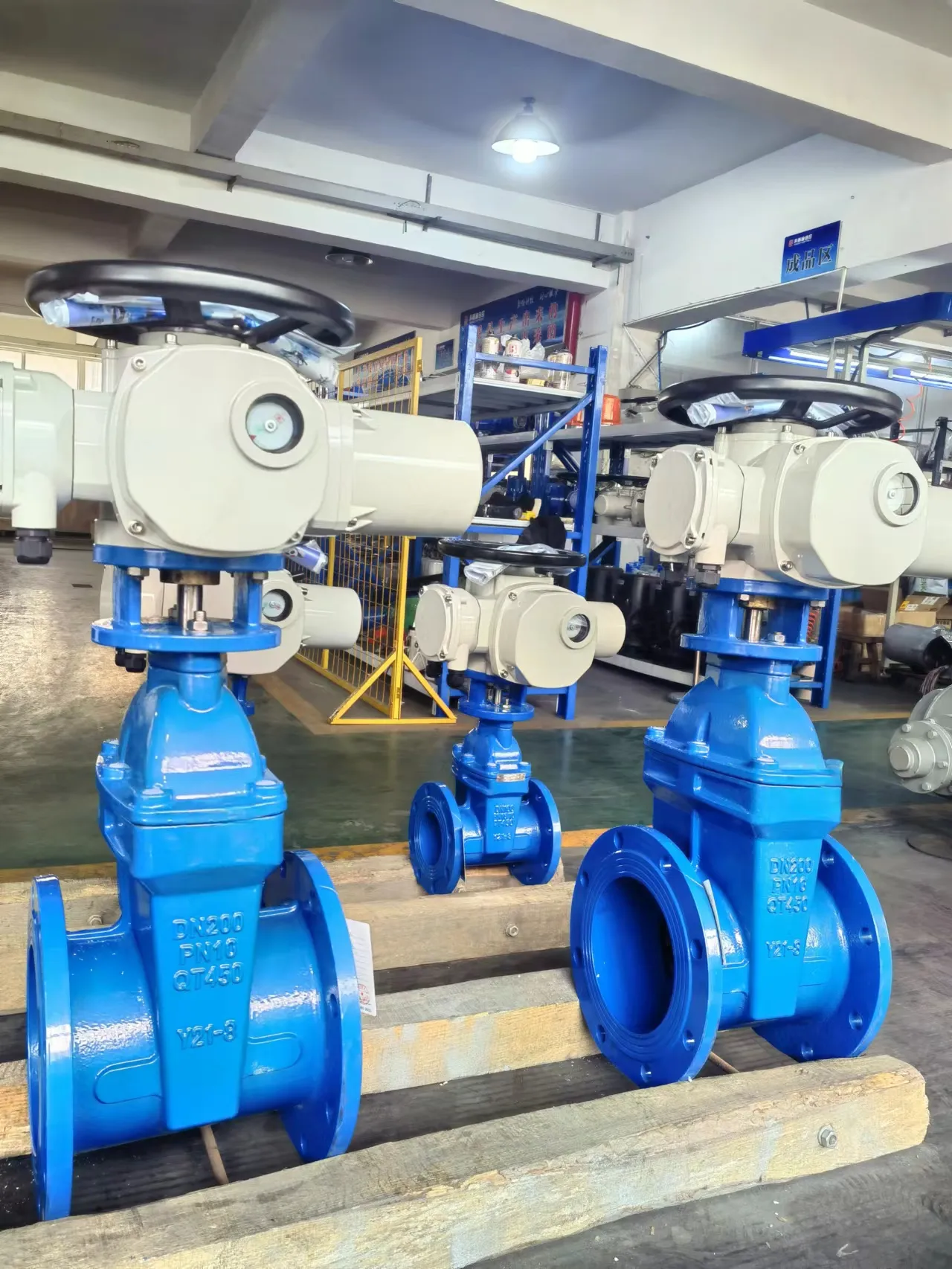
Valve Wholesale - High-Quality Valve Supply for All Industrial Needs
Understanding Valve Wholesale An Essential Component in Industrial Supply Chains In the realm of ind
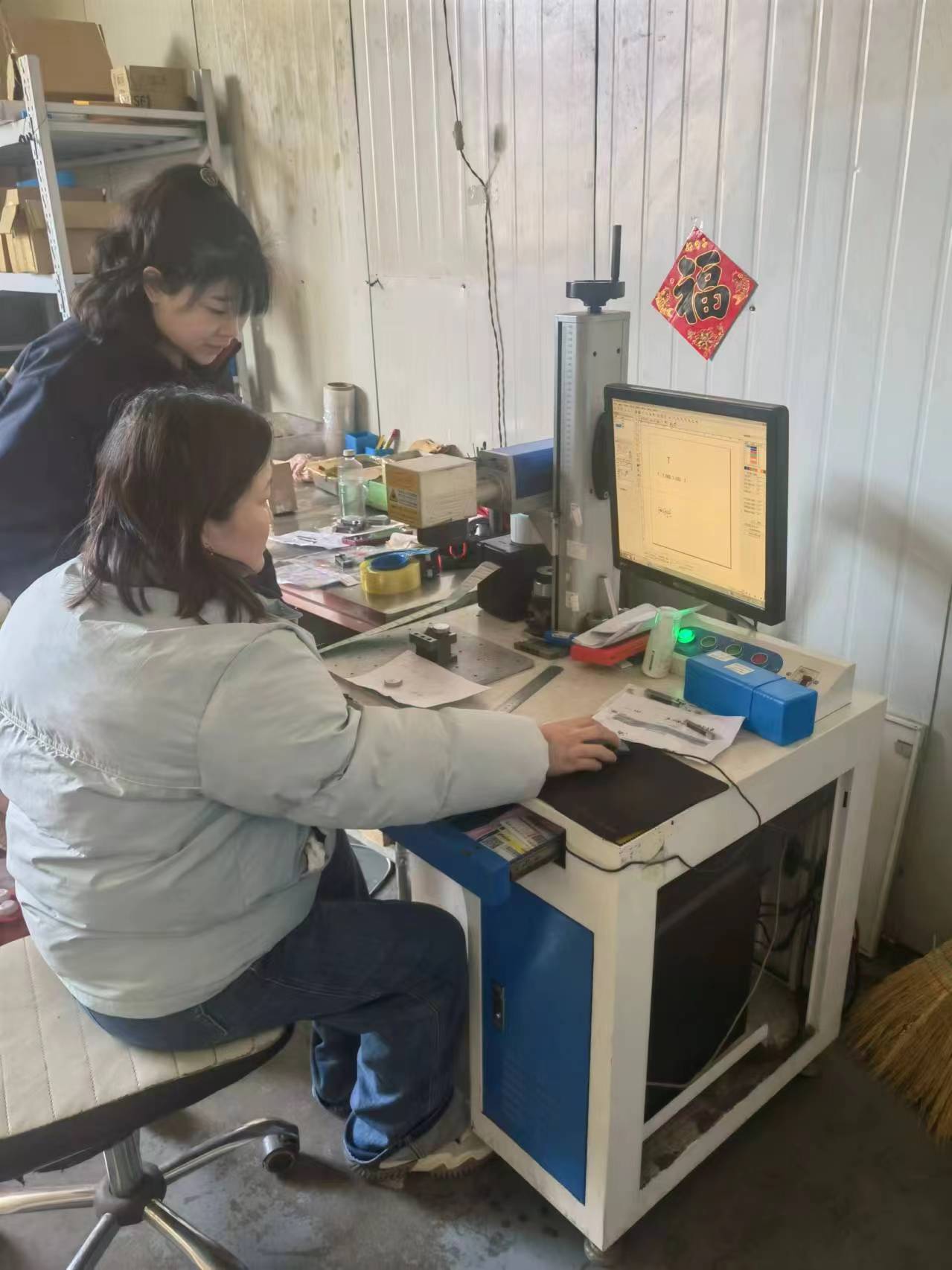
Valve manufacturing plant creating innovative products for industrial applications.
Valve Factory The Heart of the Manufacturing Process Valve factories play a crucial role in the man
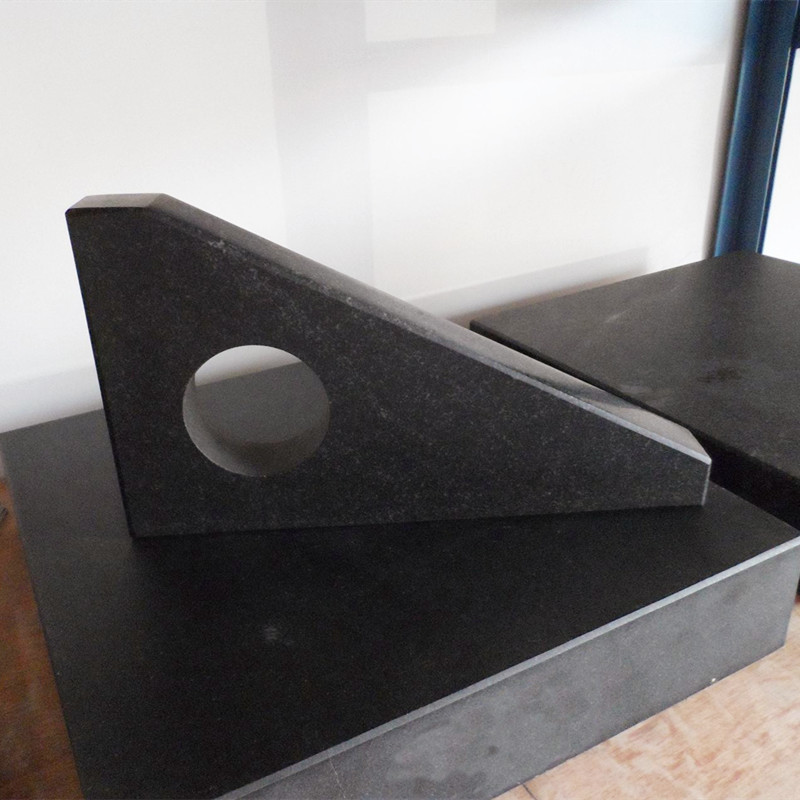
Versatile Ground Anchor Solutions for Securely Supporting Adjustable Structures and Outdoor Installa
Understanding Adjustable Post Ground Anchors A Comprehensive Guide In the field of construction and
 English